
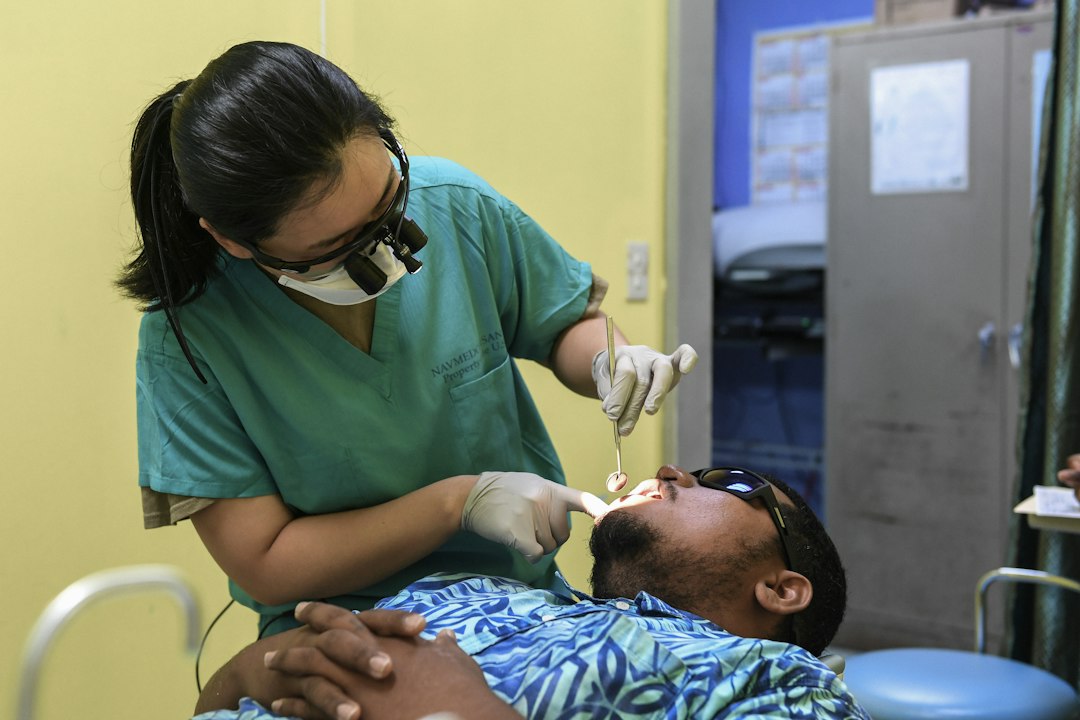
That sharp, sudden jolt when you bite into ice cream or sip hot coffee—if you've experienced it, you know how uncomfortable tooth sensitivity can be. The good news? You're not alone, and there are effective ways to manage and even eliminate this common dental concern.
Understanding what's causing your sensitive teeth is the first step toward finding relief that lasts.
Tooth sensitivity happens when the protective enamel on your teeth wears down or when your gums recede, exposing the underlying layer called dentin. This dentin contains tiny tubules that lead directly to the nerve center of your tooth, so when it's exposed to hot, cold, sweet, or acidic substances, you feel that characteristic zing of discomfort.
Many cases of mild tooth sensitivity respond well to simple changes in your daily routine.
These specially formulated toothpastes contain compounds that block sensation from traveling to the tooth's nerve. With consistent use—typically twice daily for several weeks—many people notice significant improvement. The key is patience and regularity.
Make the switch if you haven't already. Use gentle, circular motions rather than aggressive back-and-forth scrubbing. Think of brushing as massaging your teeth clean, not scouring them.
A fluoride mouthwash can help strengthen enamel and reduce sensitivity over time. Ask your dentist which concentration is right for your needs.
Limit acidic foods and beverages when possible. When you do enjoy them, rinse your mouth with water afterward—but wait at least 30 minutes before brushing, as enamel is temporarily softened by acid exposure.
While at-home care helps many people, persistent or severe sensitivity deserves professional attention. Schedule an appointment if:
Your dentist can offer several solutions depending on the underlying cause of your sensitivity.
Professional-strength fluoride applications can strengthen enamel and reduce sensitivity more effectively than over-the-counter products.
For exposed root surfaces or areas of enamel loss, tooth-colored bonding material can cover and protect the sensitive areas.
If gum recession is the culprit, a periodontist can perform a minor procedure to cover exposed roots with tissue, protecting them from sensitivity.
In cases where sensitivity stems from damage to the tooth's nerve, a root canal may be necessary—though this is typically reserved for severe situations where other treatments haven't provided relief.
Once you've gotten your sensitivity under control, keep it that way with these habits:
Sensitive teeth don't have to be a permanent part of your life. With the right approach and professional guidance, you can enjoy your favorite foods and drinks without that uncomfortable twinge. If you're dealing with tooth sensitivity, we're here to help you find relief and protect your smile for the long term.
Make Sage Dental your provider for all your dental needs.
In addition to English, we speak Cantonese, Mandarin, Polish, Spanish, Tagalog and Ilocano.
