
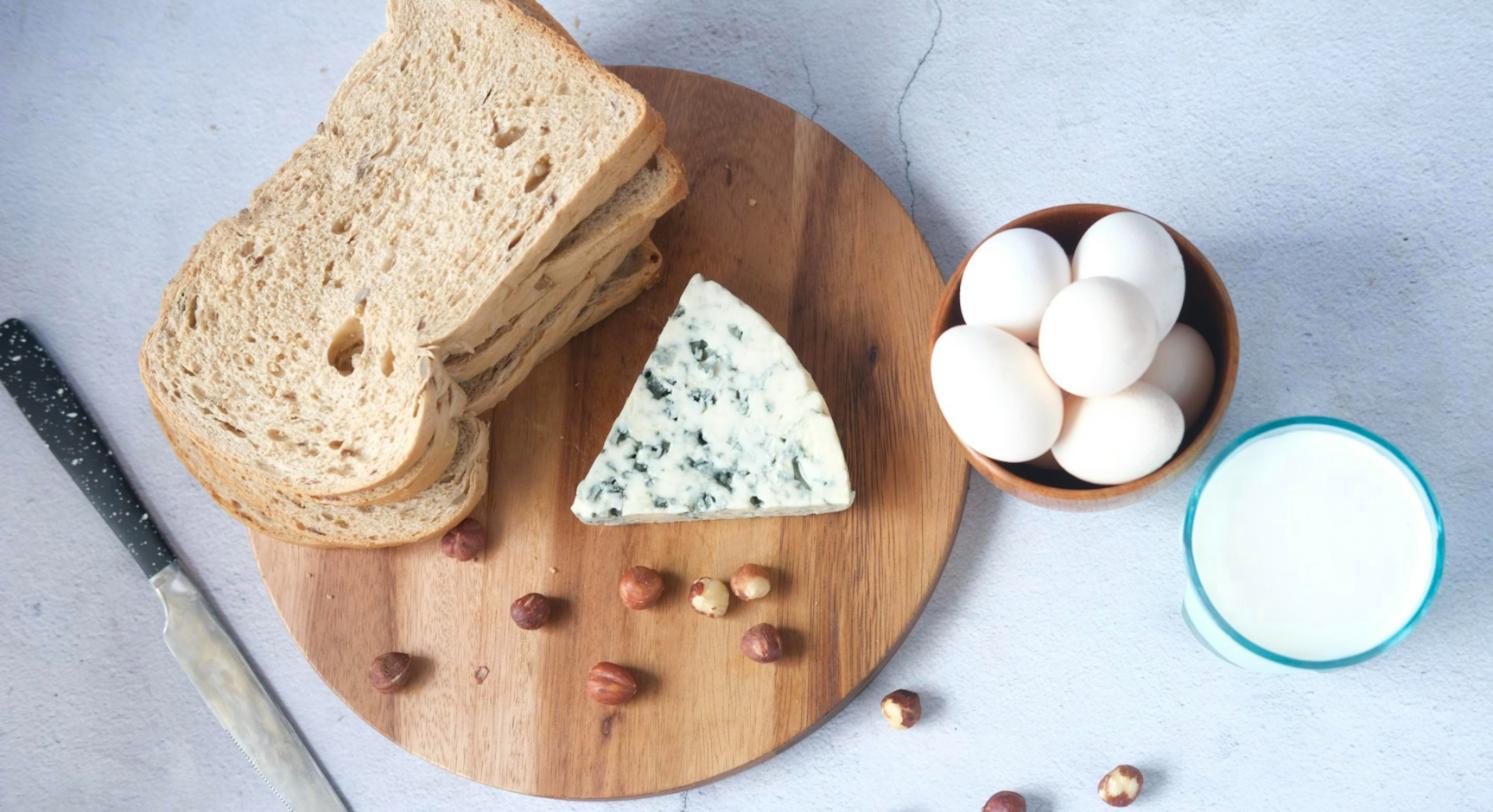
We've all heard the saying "you are what you eat," but did you know this applies to your teeth and gums too? While brushing and flossing are essential, the foods you choose play a surprisingly powerful role in maintaining strong, healthy teeth. Let's explore the nutritional superstars that can help you build a healthier smile from the inside out.
Milk, cheese, and yogurt aren't just delicious—they're dental superheroes. These dairy products are rich in calcium and phosphorus, two minerals that help remineralize tooth enamel and keep it strong. Cheese is particularly impressive because it raises the pH level in your mouth, which helps neutralize harmful acids that can erode enamel.
Yogurt contains probiotics (beneficial bacteria) that can help crowd out the harmful bacteria responsible for cavities and gum disease. When choosing yogurt, opt for plain varieties without added sugar to maximize the benefits.
Think of crunchy produce as nature's toothbrush. Apples, carrots, celery, and cucumbers require plenty of chewing, which stimulates saliva production—your mouth's natural defense system against decay. Saliva helps wash away food particles and neutralizes acids produced by bacteria.
These fibrous foods also provide a gentle scrubbing action on your teeth as you chew. Celery, in particular, has a high water content and acts like a natural cleaning tool, massaging your gums while you eat.
Leafy greens like spinach, kale, and collard greens are loaded with calcium, folic acid, and important vitamins that promote oral health. They're also high in fiber and require significant chewing, which again promotes healthy saliva flow.
Bell peppers and broccoli are excellent sources of vitamin C, which is crucial for maintaining healthy gums and supporting the connective tissues that hold your teeth in place. A vitamin C deficiency can lead to bleeding gums and even tooth loss over time.
Almonds, cashews, and Brazil nuts provide a wonderful combination of protein, calcium, and phosphorus with minimal sugar content. They also contain healthy fats that support overall health. Chewing nuts stimulates saliva production and helps clean your teeth naturally.
Seeds like chia and sesame are also calcium-rich options that can contribute to stronger tooth enamel.
Salmon, mackerel, and sardines are rich in vitamin D and omega-3 fatty acids. Vitamin D is essential because it helps your body absorb calcium effectively—without it, all that calcium from dairy and greens won't do much good. Omega-3s have anti-inflammatory properties that can help protect against gum disease.
Both green and black tea contain polyphenols, natural compounds that interact with bacteria in your mouth. These polyphenols can slow the growth of bacteria associated with cavities and gum disease. Just be sure to drink tea without added sugar, and keep in mind that tea can stain teeth over time, so rinsing with water afterward is a good idea.
While we're focusing on the positive, it's worth mentioning that sticky candies, sugary sodas, and acidic foods like citrus can contribute to enamel erosion and tooth decay. You don't need to eliminate them entirely, but moderation is key, and rinsing your mouth with water after consuming them can help minimize damage.
Building a tooth-friendly diet doesn't mean overhauling everything you eat. Small, consistent changes can make a significant difference. Try incorporating a serving of leafy greens with lunch, snacking on almonds instead of chips, or enjoying cheese and apple slices as an afternoon treat.
Remember, good nutrition works hand-in-hand with regular dental care. While these foods can strengthen your teeth and support your oral health, they don't replace the need for routine dental cleanings and checkups. At Sage Dental in San Jose, we're here to partner with you in maintaining your healthiest smile—through both professional care and the everyday choices you make at home.
Your smile will thank you for feeding it well!
Make Sage Dental your provider for all your dental needs.
In addition to English, we speak Cantonese, Mandarin, Polish, Spanish, Tagalog and Ilocano.
